UBS-Fourhander at “Magdalena”, Rickenbach SZ: Dominik Hartmann’s new hairstyle was just one of the highlights.
TWO FITNESS BUDDIES.
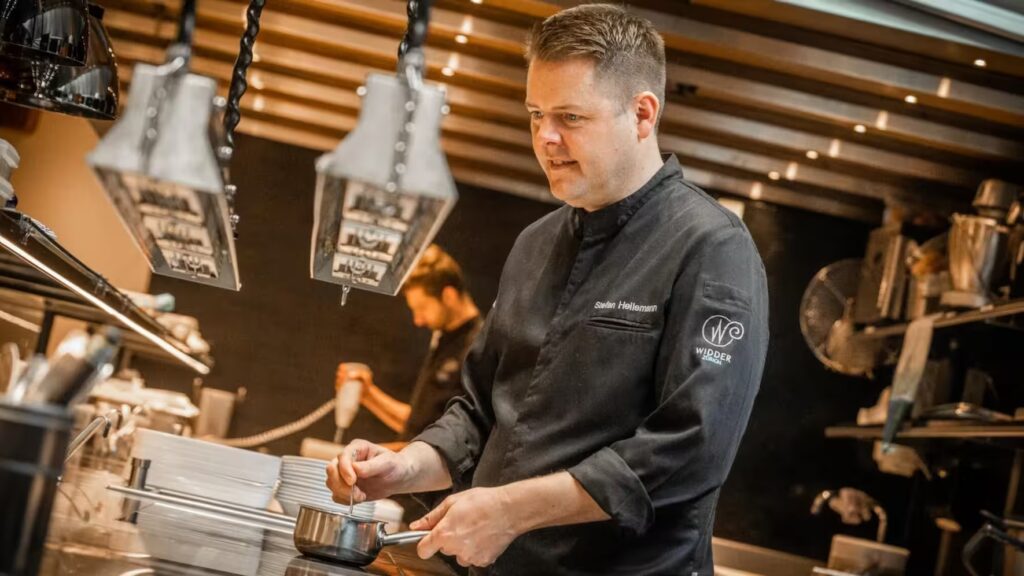
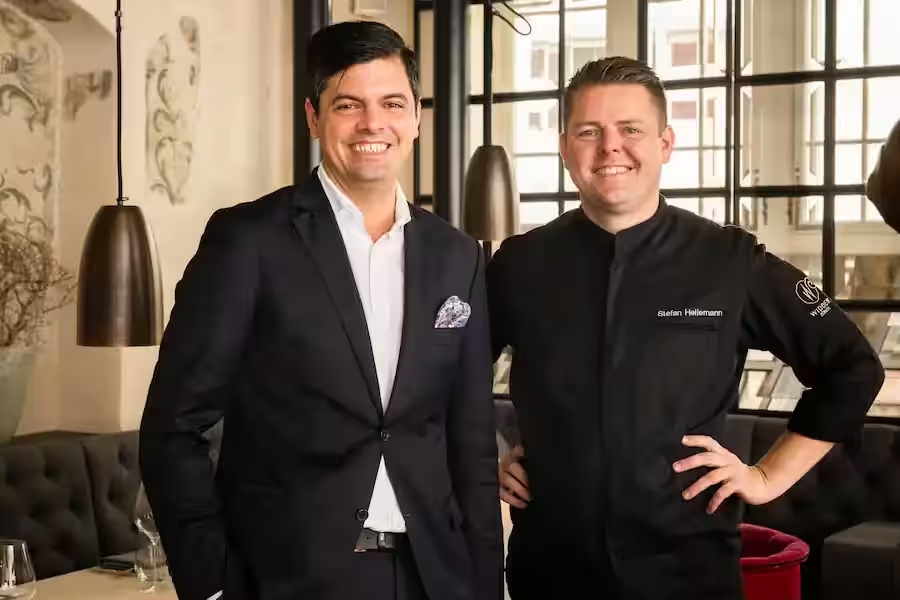
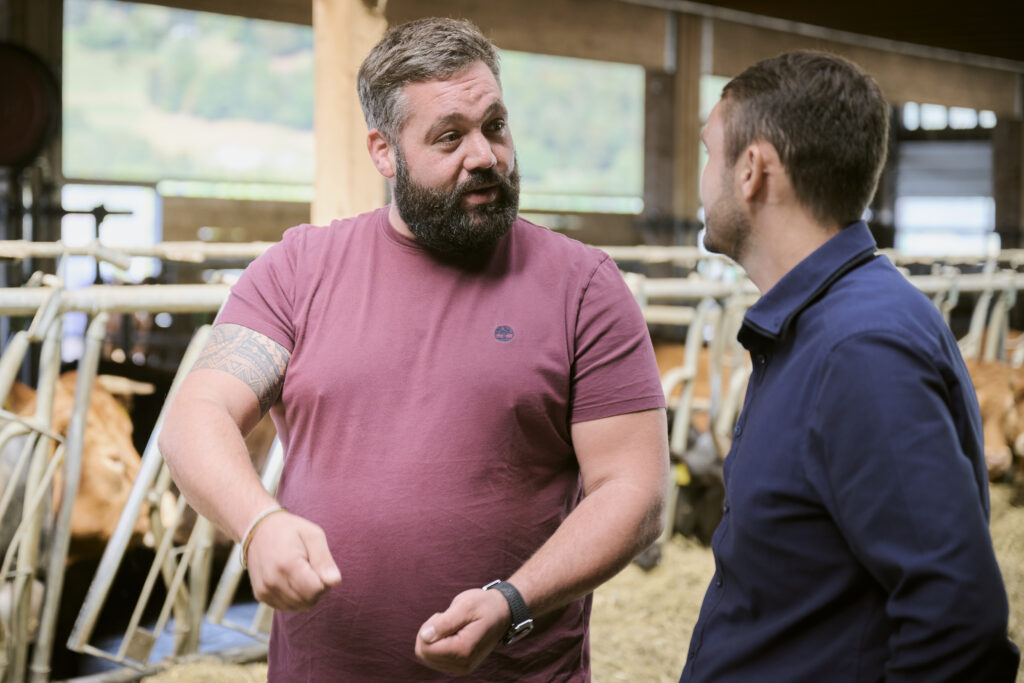
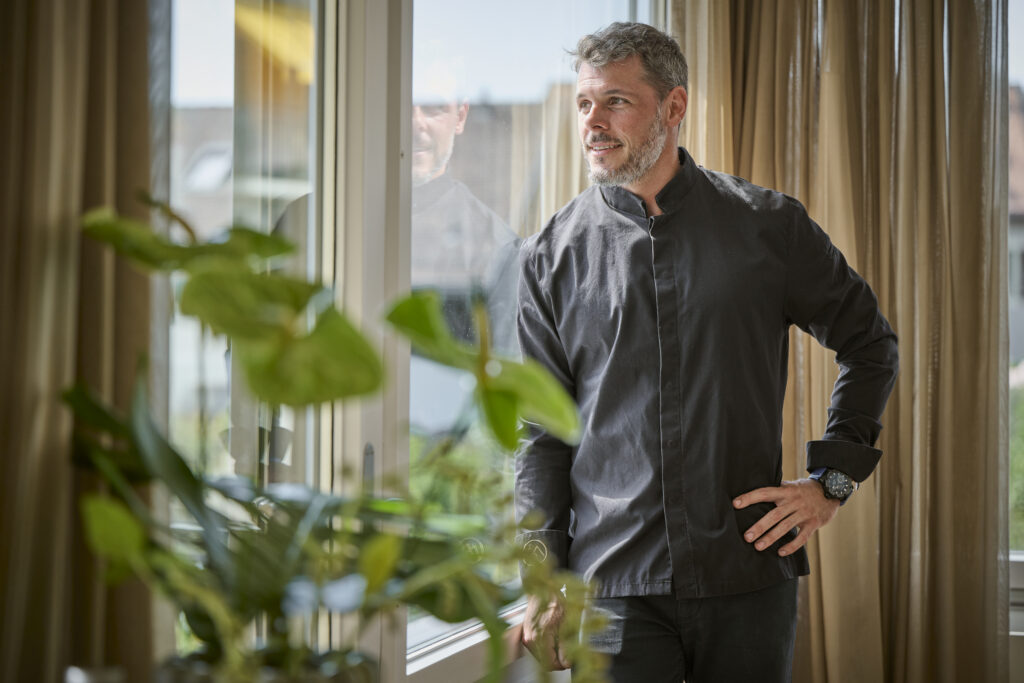
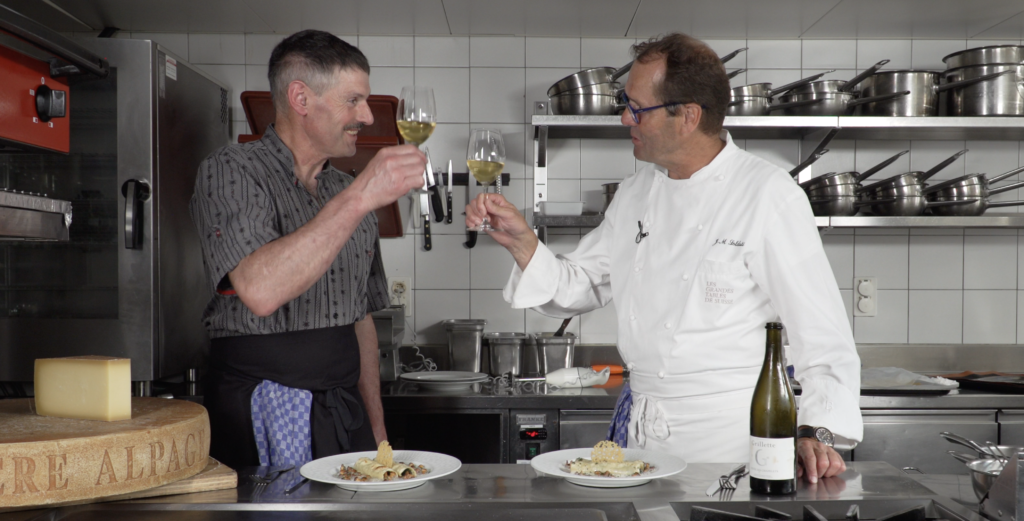
“We speak the same culinary language,” says Patrick Mahler at one point during the event. But with a different accent, one might add: Mahler is head chef at “Focus Atelier”, Vitznau (18 points), where he focuses on the finest products from all over the world, often meat, fish and seafood. His companion on this evening at the “Magdalena” in Rickenbach SZ is host Dominik Hartmann (17 points), who cooks extremely locally. 100% vegetarian. But the two star chefs get on brilliantly. They often meet up for fitness training or go out together in Zurich. The occasion today on this rainy, cold November evening? An exclusive, heart-warming fourhander. UBS has invited around 40 guests who have won their places on the GaultMillau Channel.
DOMINIK’S “EMINEM HAIRSTYLE”.
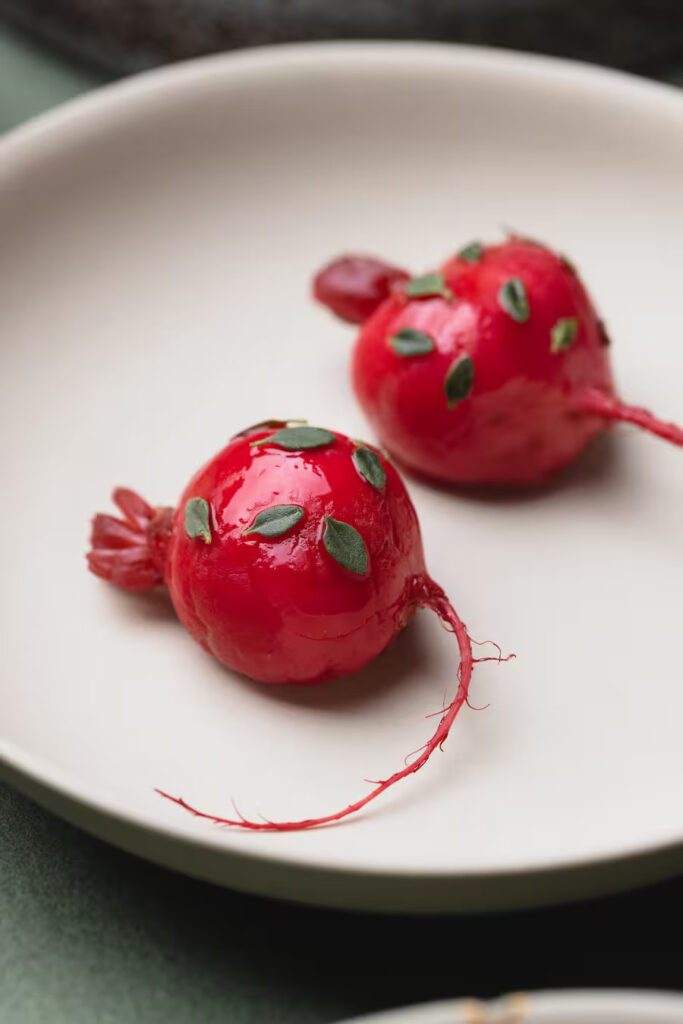
The first highlight of the evening: for some, this is probably Dominik Hartmann’s new hairstyle: the cute little curls have been gone for a few hours – he now wears his hair short, platinum blonde, very Eminem-like. “My children haven’t seen me yet,” he says, “but my wife has already shown them a photo on her cell phone. I don’t think they’ll be scared!” The second highlight of the evening: the great snacks. These included a “steamed noodle” with snow crab and papaya salad. Or a crunchy radish with dabs of thyme and vegan cream cheese filling. The star chefs really do deliver a well-rounded start.
100% SWISS WINE.
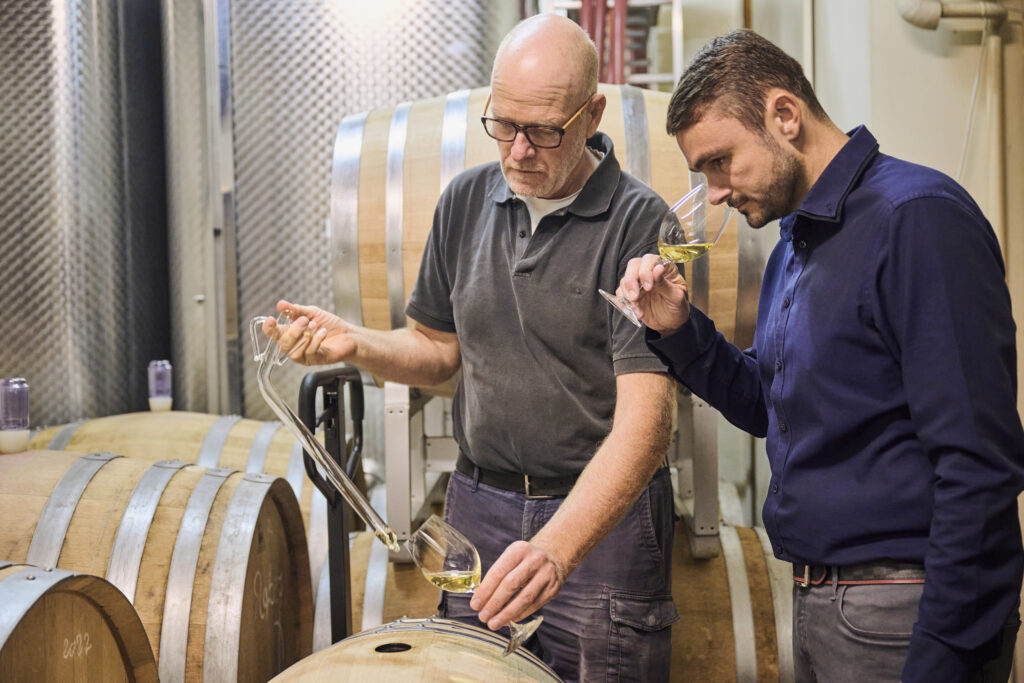
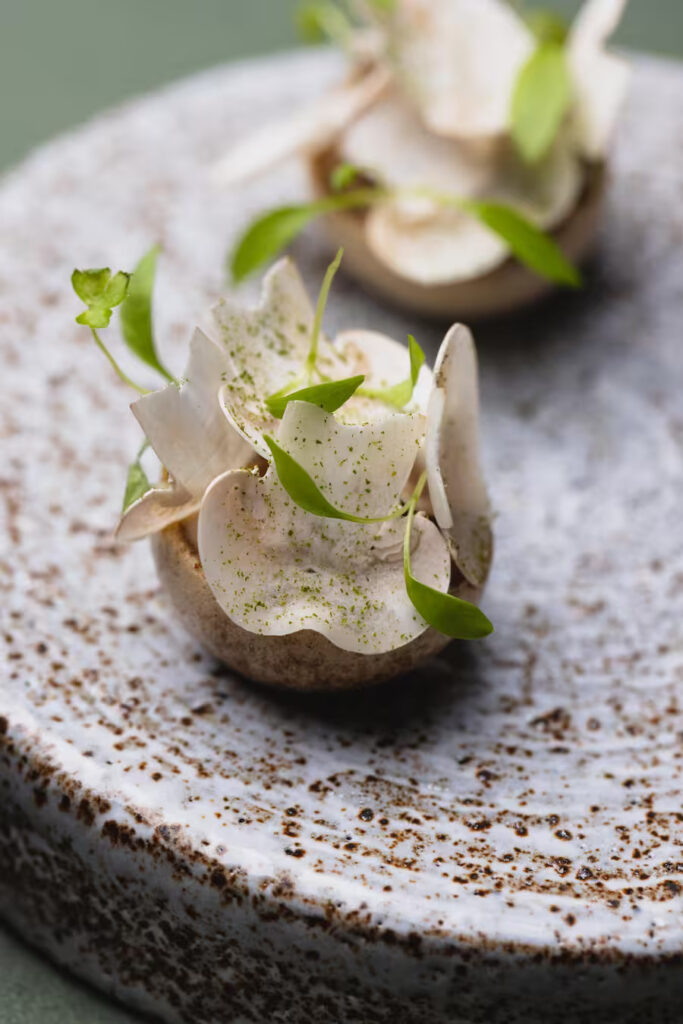
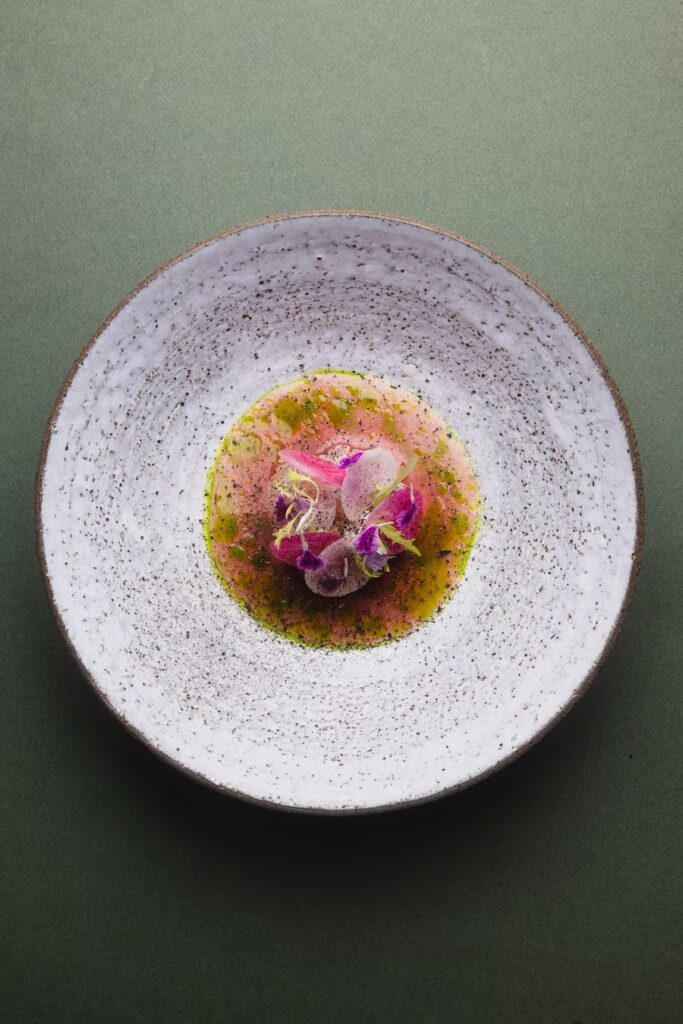
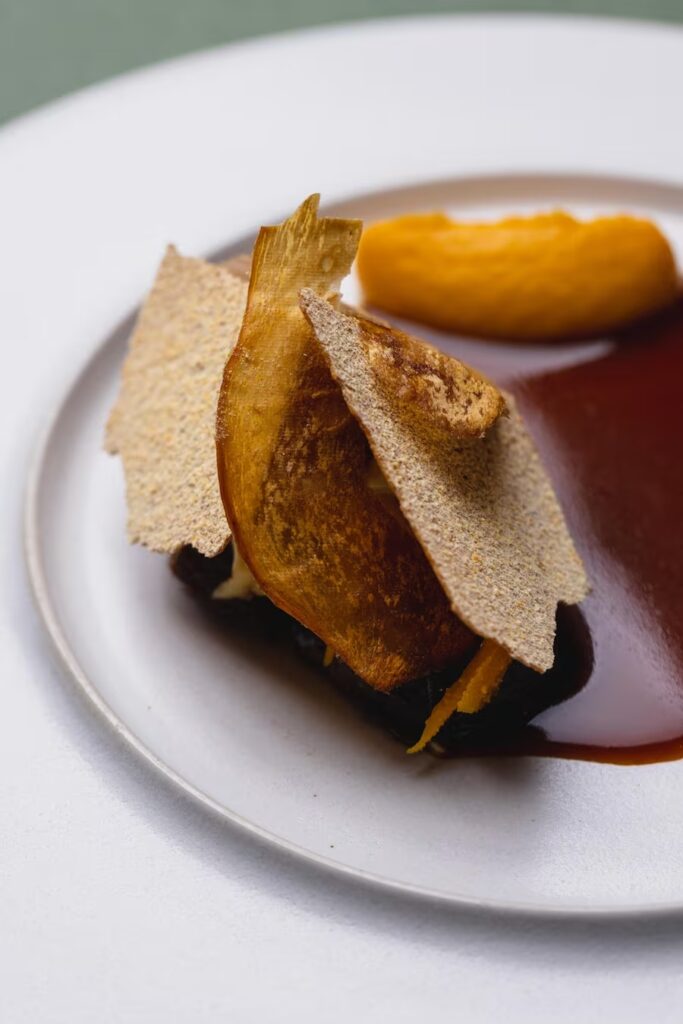
UBS Wealth Advisor Marco Formoso also welcomes the guests with charm. It’s just as nice that the Magdalena hosts Adriana Hartmann and Marco Appert accompany the following dishes with Swiss wines throughout. The kingfish with pickled radish rondelles, hearty plum broth and grated black lime from Patrick Mahler is accompanied by a smart Riesling from Schlossgut Bachtobel (Ottenberg TG). A lively Gemischter Satz from Markus Ruch (Klettgau SH) is served with Dominik Hartmann’s flambéed millefeuille, made from a few wafer-thin layers of celery with deep-fried kombu seaweed, ginger dashi and coriander oil. Remarkable: the Magdalena team, including some vegetarians, have no inhibitions about serving meat and fish as an exception. Or as Adriana puts it: “At least no one has explicitly asked for a vacation.”
DISHES THAT RESONATE FOR AN INCREDIBLY LONG TIME.
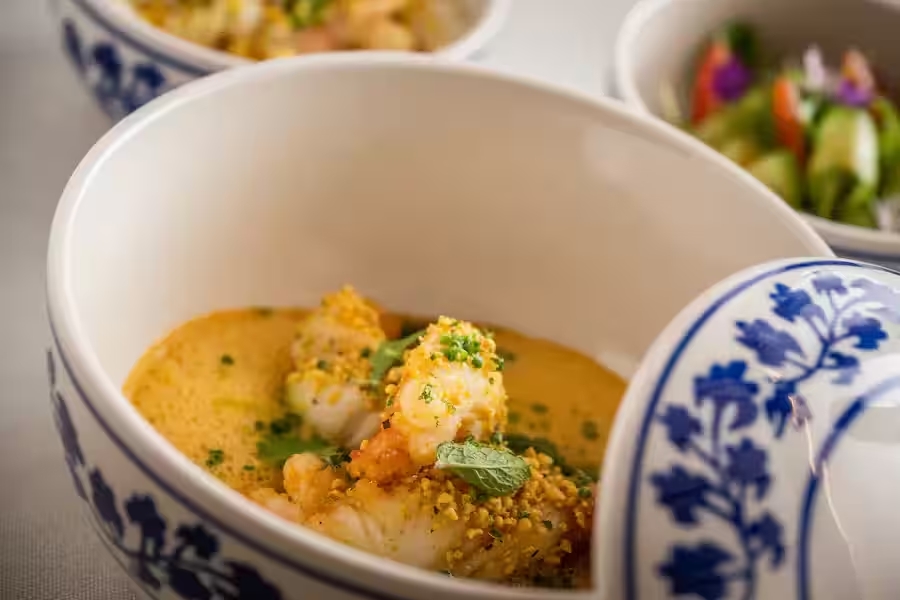
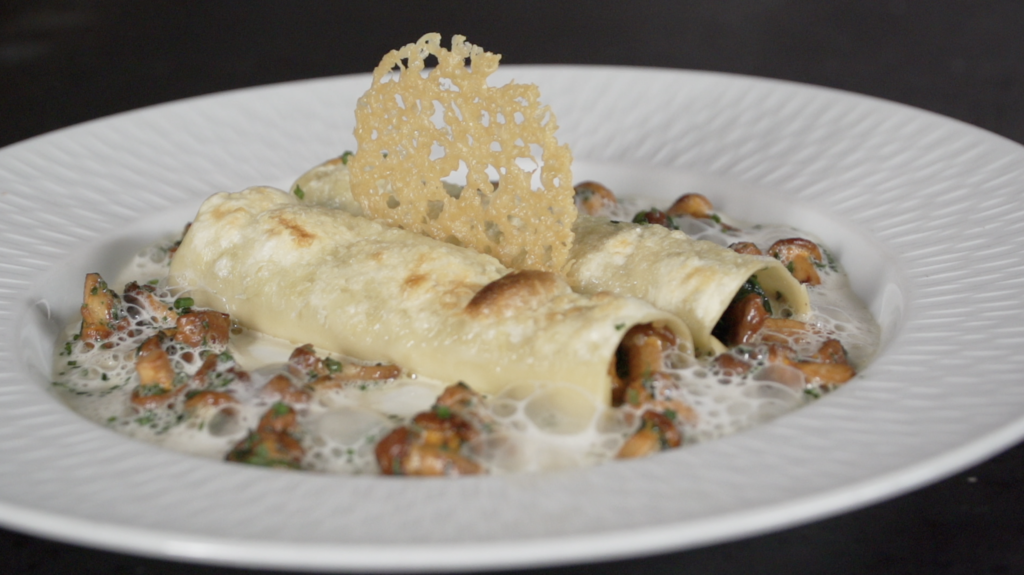
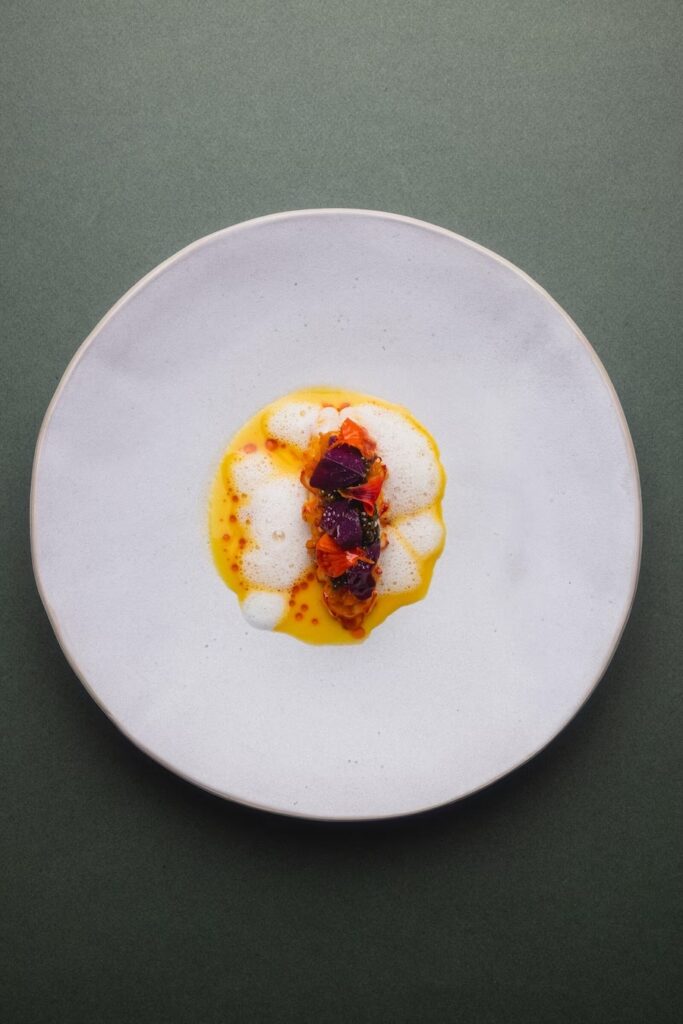
Dominik Hartmann and Patrick Mahler make a name for themselves by producing incredible flavor bombs. This can be seen in the beautifully firm agnolotti with Jerusalem artichoke filling, nut butter foam and black truffle, as well as in the subsequent Norway lobster with sea buckthorn varnish, fermented pumpkin cubes, XO sauce and a dollop of caviar for an iodized note. Both dishes linger aromatically until the next course is on the table!
PROFESSOR PICHLER.
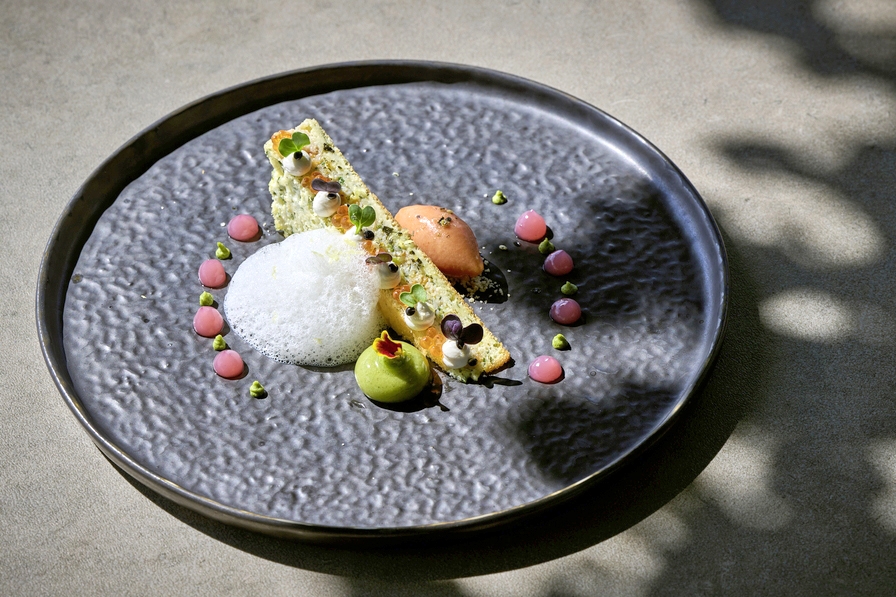
As always at Magdalena, the sweet finish comes from the brilliant patissier Jonathan Pichler. As usual, it crackles, melts and pops in your mouth. Cool, sweet and creamy notes combine on the palate. Acidity and astringency draw the mouth together. And with the next spoonful, it crackles again, but this time in a different way. The main flavors in today’s dessert: quince and green tea – a firework display with almost 20 different components. In other words: a typical dessert from “Professor Pichler”! He obviously has no problem speaking the culinary language of Mahler and Hartmann.
Text: Daniel Böniger
Photos: Digital Massarbeit