Franck Pelux at the head of La Table du Lausanne Palace

Photo : @Anthony Demierre

Talented chef Franck Pelux and his friend Sarah Benahmed, who is in charge of the dining room, are used to working hand in hand and have done so for many years. In an exclusive interview, The couple talks about the inspirations of their travels and the highlights of their journey together that led them to this new adventure: La Table du Lausanne Palace. Interview.


Grandes Tables Suisses: What is your first memory of cooking? 


Franck Pelux: I spent my entire childhood in the family restaurant. I literally grew up with pots and pans and it was during these moments with the family that I took my first steps in the kitchen.


GTS: Close your eyes and think of two dishes…
What is the dish of your childhood? 


FP: My mother’s blanquette de veau, my Proust’s madeleine.


What is your “pêché mignon” ? 


FP: Chocolate, I love it!


GTS: When did you know you wanted to become a chef? 


FP: I always knew that one day I would become a chef. It was always a vocation, something innate and logical for me. I never asked myself what else I wanted to do with my life.

GTS: Becoming a chef is a long road; can you tell us about five highlights of your apprenticeship phase that preceded your arrival at the Palace?   

FP: We had many highlights, but if I had to choose, I would say:   

  • Our five seasons at the Vague d’Or in St Tropez. We arrived with Chef Arnaud Donckele in a house that was booming, that was going for 3 stars. It was an incredible experience.
  • The opening of a restaurant in Singapore for Chef Laurent Peugeot. With Sarah, we were very young, and it was an experience that made us grow and that allowed us to discover foreign gastronomy.
  • Our years in China, at Temple Restaurant Beijing. It was a terribly hard experience but also incredibly full of richness, sharing and encounters.
  • The takeover of Le Crocodile in Strasbourg, and all the pressure that went with this adventure.
  • Our arrival in Lausanne.

x GTS: What is the best advice you have received from a chef?   

FP: The best advice a chef could have given me is that you should always question yourself and keep working. It’s when you think you’re good that you go backwards. Success is a daily challenge.   

GTS: Who is your master thinker in terms of gastronomy and why?  

FP: The chefs I worked with, Yannick Alleno and Arnaud Donckele. They imbued me with their universe, their conception of cooking and their vision of gastronomy.

GTS: You have just started at the Palace with La Table, what did you want to bring to the place?  

FP: At La Table, we wanted to bring our experience and our love for this profession, while imposing our personality by creating a warm setting.  

La Table is a restaurant that resembles us; simple, breaking the image that one might have of palaces. Here, we want to welcome our customers as at home.

Franck Pelux
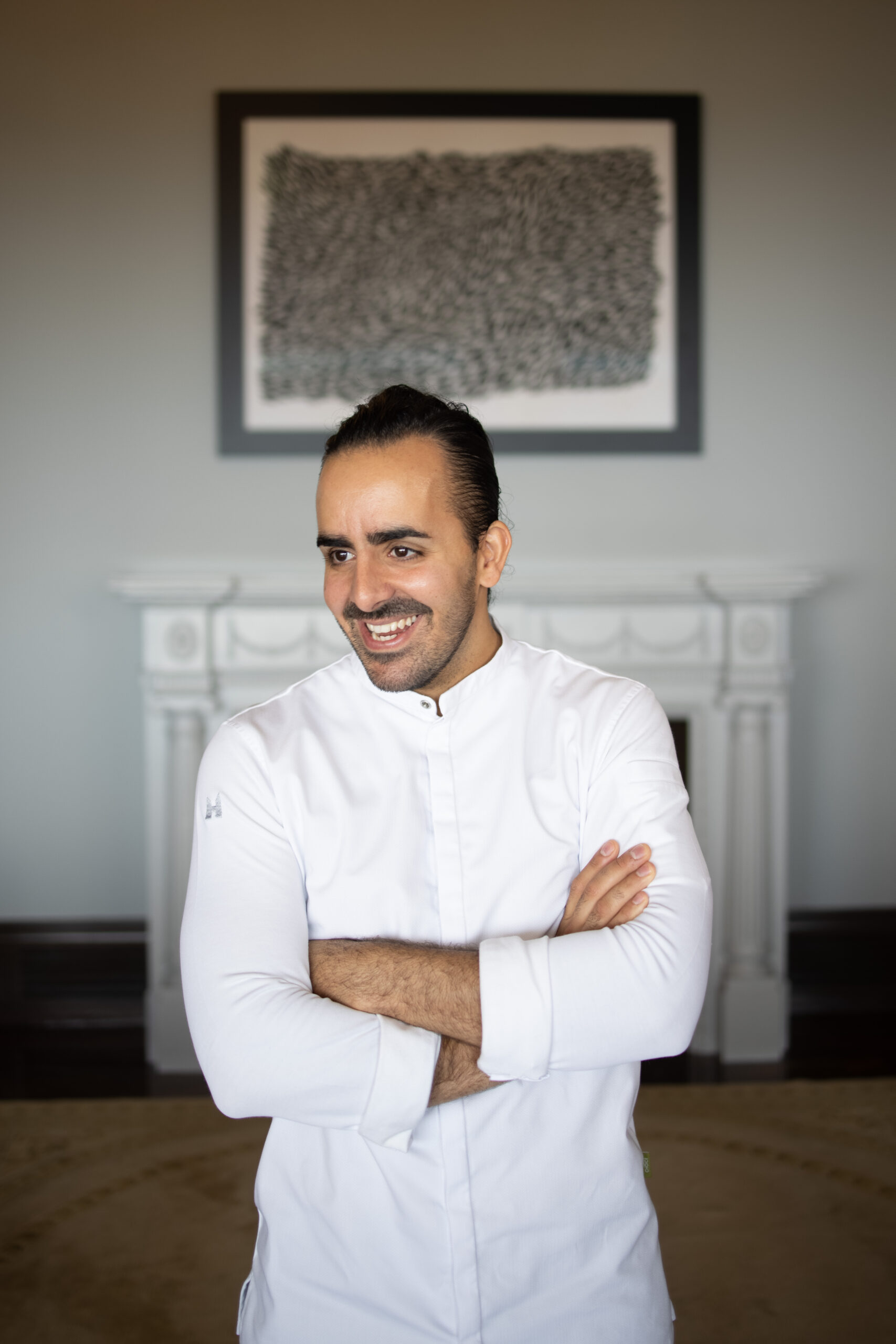
Photo : @Anthony Demierre

GTS: If you had to describe the cuisine you prepare here in a few sentences, what would they be?

FP: It’s a local cuisine. We try to make the most of the richness of the Swiss terroir while adding our experiences, our desires, our travels, our loves, our favorites. It’s a travelling cuisine with local products.
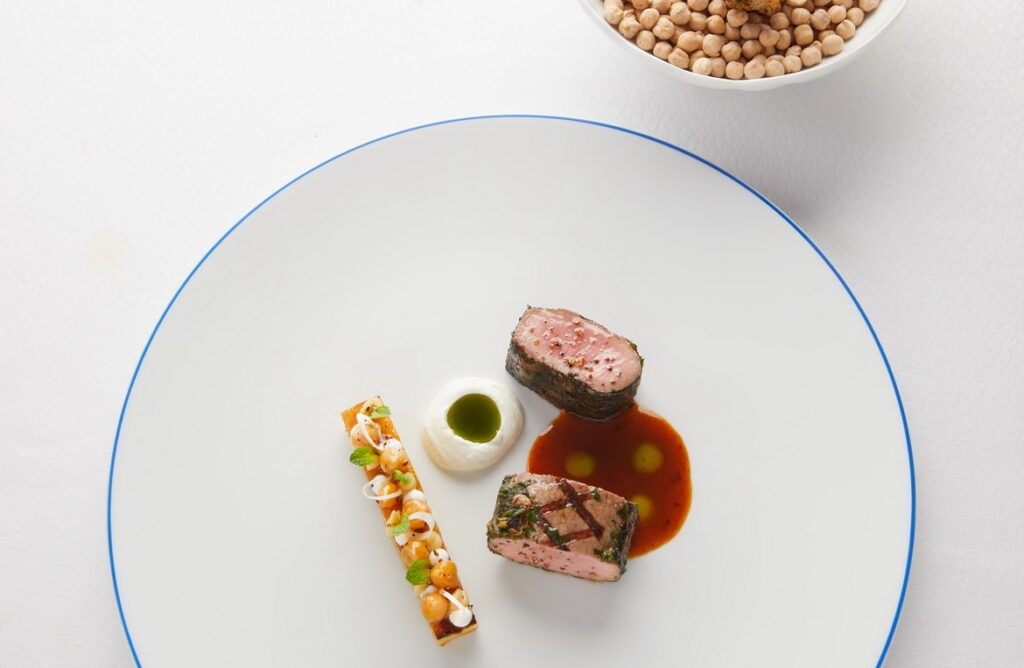
Photo : dr

GTS: What are your favourite dishes on the menu?   

FP: I don’t really have a favourite dish but if I had to name two, it would be :

Le Tourteau, souvenir of a Hong Kong alleyway because it is a dish that represents our history; and La Belle Sole Meunière de Bretagne because it is a reassuring dish.  

GTS: What cuisine inspires you?   

FP: The cuisine that inspires us is Asian cuisine as a whole. More particularly Japanese and Taiwanese cuisine. These are two universes that we like very much. We fell in love with this culture, the passion for the product, the perfection that they have.

GTS: You work with your partner, what is the role of each of you?  

FP: With Sarah, we are lucky enough to work hand in hand. Although we each have our own universe,we are a team and we work together. Whether it’s the choice of dishes on the menu or the creation of a setting for the dining room, we do everything together.  
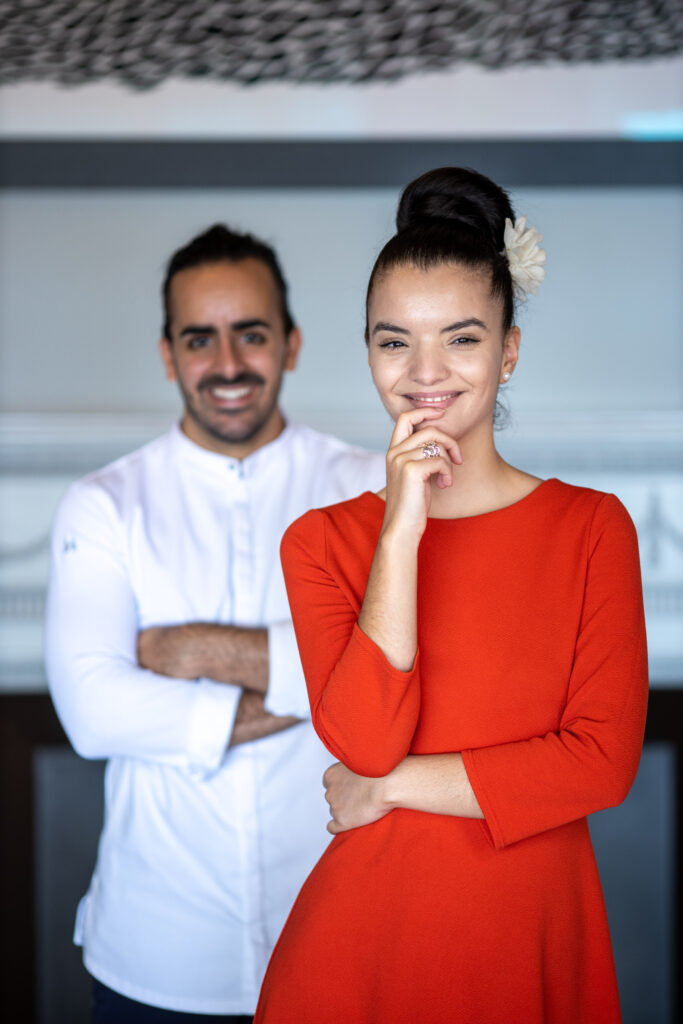
Photo : @Anthony Demierre

GTS: How do you get your inspiration and where do you find it? 

FP: Most of our inspiration comes from home, with family and friends. Inspiration can come from anywhere – mainly from our memories, our travels, and the discovery of local products and passionate artisans in the region.   

Find out more about La Table du Lausanne Palace on their website: https://www.lausanne-palace.ch/en/restaurants-bars/la-table-du-lausanne-palace/le-restaurant/
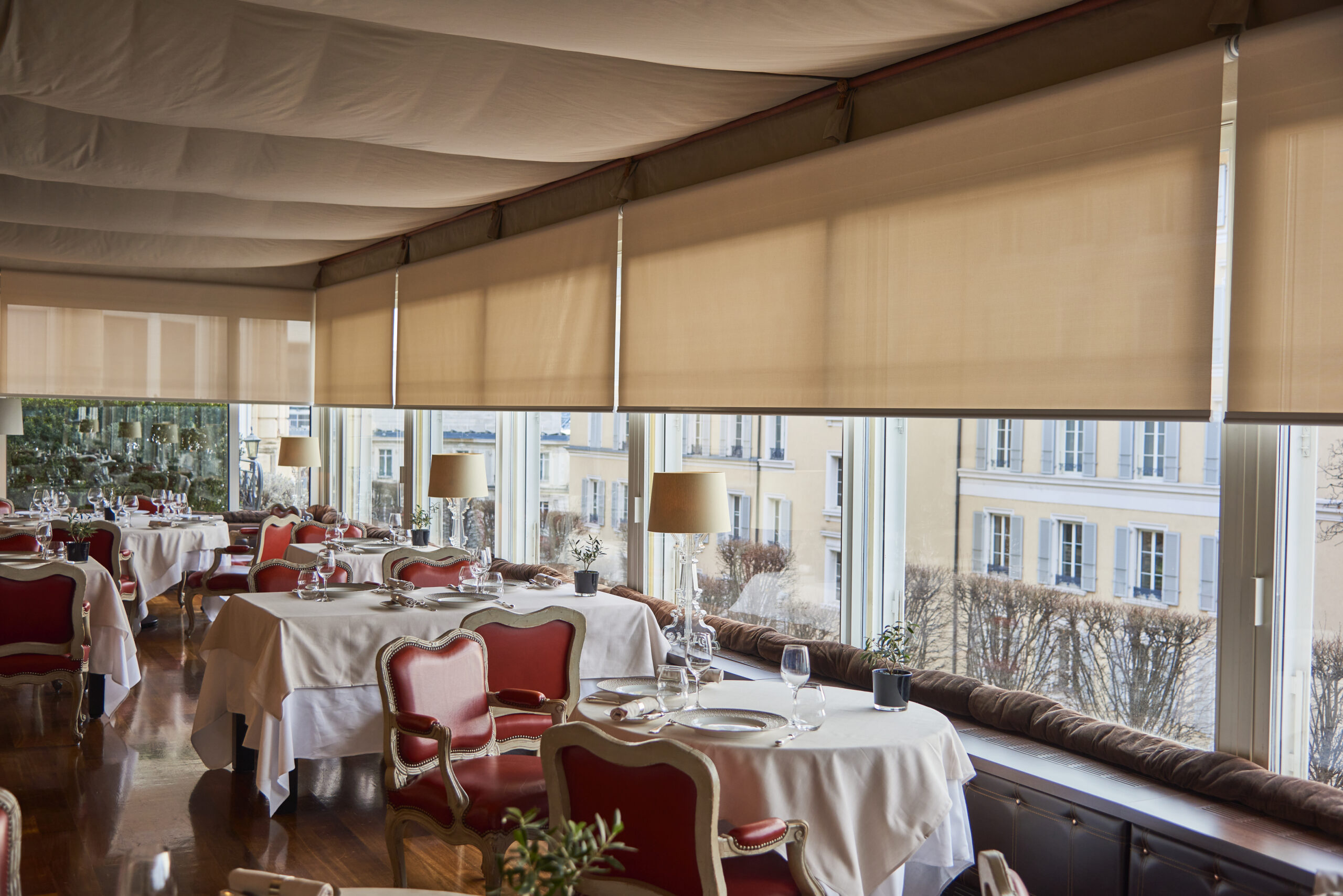
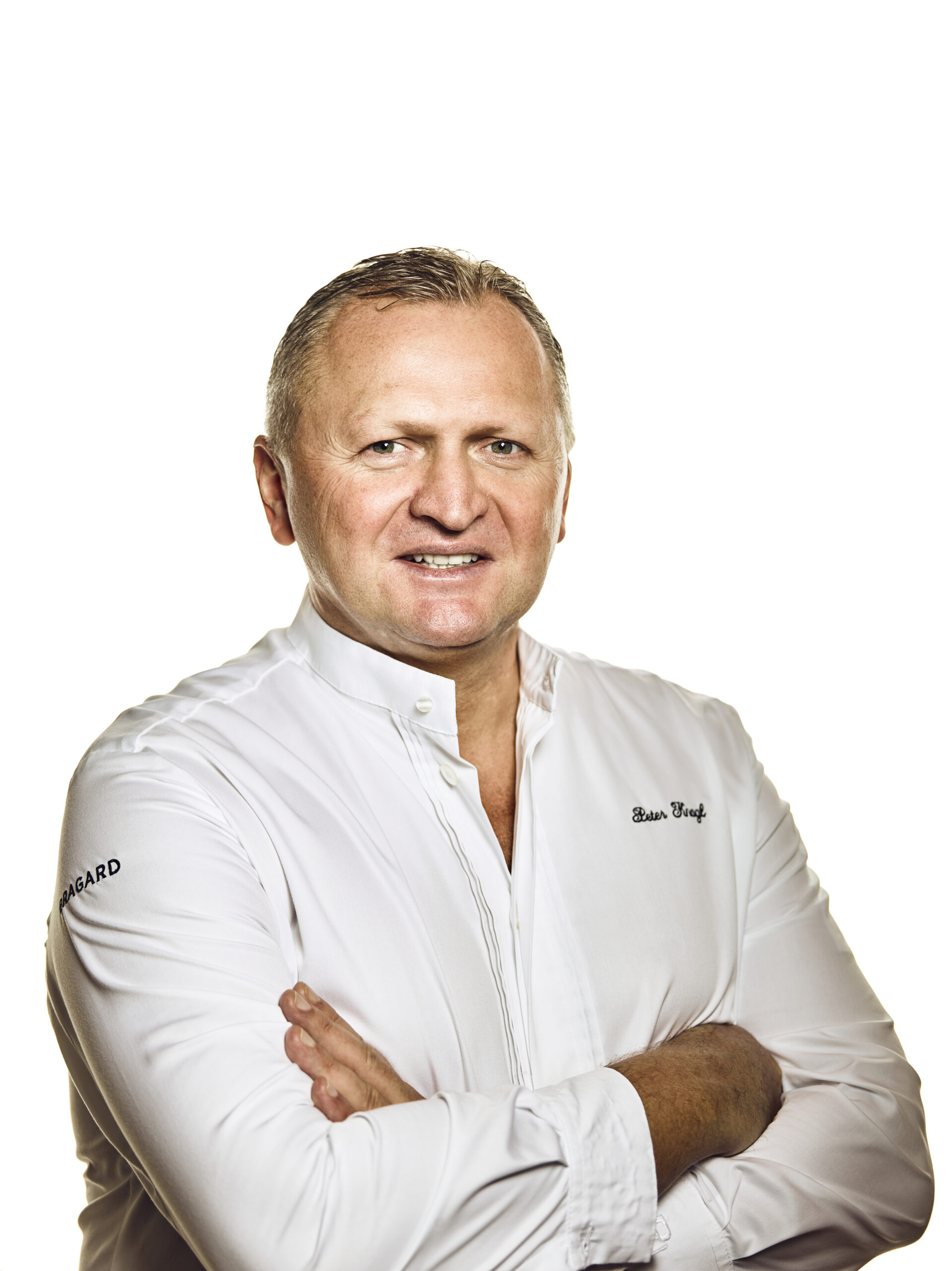
Photo : @Adrian Ehrbar

Around the world with Peter Knogl

Peter Knogl, the three-starred chef of the restaurant Cheval Blanc at the Grand Hotel Les Trois Rois in Basel (19 points in the GaultMillau), constantly surprises his guests with the creativity of his culinary creations. Largely inspired by world cuisine, the chef likes to bring together different cultures on the same plate, promising a journey full of aromas and flavours. Escape into the gastronomic world of Peter Knogl by reading our interview.

Photo : @Adrian Ehrbar

Grandes Tables Suisses: Which exotic inspiration can we discover in your new menu?  

Peter Knogl: A new Amuse Bouche: Macaron cumin/melon/sardine.  

GTS: We often talk about travel as a source of inspiration for chefs; what is the trip that has most marked your life and why?

PK: It was a trip to Tokyo in 2010, where the culture and quality of the products inspired me a lot. A great experience was the local fish market.

GTS: Your cooking has Asian notes; what is your favorite Asian cuisine and which dish do you particularly like and why?

PK: The Japanese products and the Umami flavour inspire me every time anew. I cannot express this with a special dish. I also like Thai cuisine, especially the reduction to the essentials is what makes it so special to me.

GTS: What is your signature dish inspired by Asia?  

PK: Wagyu, as a Japanese product – with a beef jus with Asian flavours. Thus both continents find perfect harmony.

GTS: What other world cooking inspire you and why?  

PK: Thailand interests and attracts me very much because of its variety of flavours, perfumes and spices.  

GTS: Mediterranean cooking also often appears in your dishes, tell us what this cooking brings to your dishes?  

PK: I have lived and worked in Mediterranean countries for 10 years, therefore this region fascinates me a lot. Especially the lightness of the dishes, which the Mediterranean cuisine has to offer.

GTS: Why mixing Asian and European cooking is so interesting in terms of flavors?  

PK: Asian cuisine is light, reduced to the bare essentials and brings the Umami note, while the European cuisine provides the classic touch. We combine both together in one dish.  

GTS: What is the cooking that you have not experimented yet in your dishes, but you would like to explore?  

PK: Peruvian cuisine! I would like to travel to Peru one day, if this is possible again.  

Cheval Blanc restaurant at the Grand Hotel Les Trois Rois is is fully open from Monday 31 of May. Find all the information on their website :

https://www.lestroisrois.com/en 

https://www.chevalblancbasel.com/en

Photo : @Adrian Ehrbar

The history of a myth

Franck Giovannini, three-star chef of the Hôtel de Ville in Crissier, has not skimped on work in recent months since he has created a room dedicated to the history of this legendary establishment. A place of transmission from great chefs to great chefs.  

Picture : @Adrian Ehrbar

Grandes Tables Suisses: How did you imagine this room dedicated to the history of the restaurant?  

Franck Giovannini: I’ve been thinking about it for a while, I didn’t want it to be just photos, I liked the idea of having menus through time, newspaper articles, awards or even dishes dating from the Frédy Girardet era. For example, I found a menu from 1969 in which you can see that Frédy Girardet was starting this shift towards gastronomy with sole or langoustines. Moreover, he readily recounts that in 1968, he visited the chefs Bocuse and Troisgros and felt that a movement was being created in the world of high gastronomy. He came back with the idea of developing cuisine in Switzerland as well. So in the 1970s, he began this shift by creating his first menus.  

GTS: Did you find any previously unknown elements?  

FG: I was able to trace the history of the House. In 1928, they broke up the Maison Communale to build the present building.  I found the original hand-drawn plans of great precision. We discovered that there was the post office on the first floor and the apartment of the letter carrier on the top floor. The house has grown over time. It’s quite amazing to discover how many details, photos and objects we were able to find through the archives of the Town Hall, family, relatives and clients. I also had the Swiss mountains carved out of a tree trunk with the key dates of the House. From the beginning with Benjamin Girardet in 1955 to the present day in order to pay tribute to the mythical history of the place.

GTS: What was Mr. Girardet’s reaction when he discovered this piece?

FG: He was moved. At the beginning, we explained the process to him and he quickly got into the game by giving us material to move forward.  

GTS: How will you use this space?

FG: We don’t want to make it a table d’hôte, but rather a meeting place for companies who want to have meetings before or after a meal. But it’s also a place where you can have an aperitif. The goal is to keep this space friendly.  

GTS: Today, after months of work, what do you think of this museum?

FG: I am very happy to see all that we have been able to gather and what the enthusiasts and friends have brought back. And I am sure that it is not finished, because many elements will be added as time goes by. The goal is for this space to constantly evolve. We are proud and moved to have built, sorted and cut out all these moments of the past ourselves that remain engraved in our memories. But most of all, I am happy that a positive and joyful feeling comes out of this space, as our goal is to keep the craftsmanship and excellence of this legendary house alive!

More information about the establishment: https://www.restaurantcrissier.com/

Cristian Moreschi’s Spring Recipe

Photo credit : Adrian Ehrbar

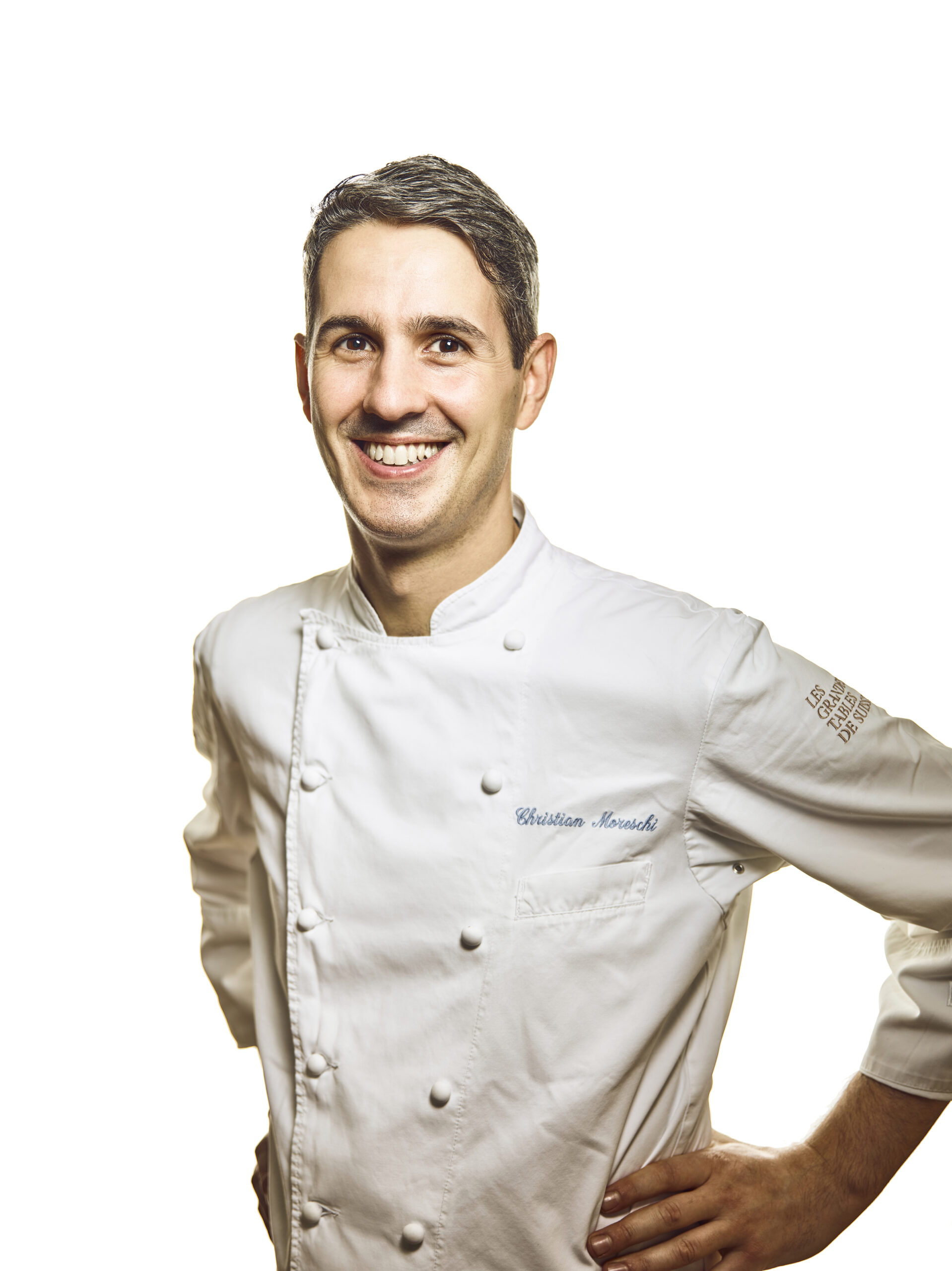
For Cristian Moreschi, chef of the Villa Principe Leopoldo Hotel’s restaurant, the efforts made throughout this peculiar year have been well rewarded as the young chef was awarded his first Michelin star. Today, with the readers of the Grandes Tables Suisses, he is sharing a delicious recipe that can be made at home!

Chef Cristian Moreschi. (Photo credit : Adrian Ehrbar)

Grandes Tables Suisses: You have just been awarded your first Michelin star, congratulations! What was your reaction to this achievement? Was it a dream come true?   

Cristian Moreschi: Thanks very much! Yes, it’s a dream come true, and it is even more special because it comes at the end of a truly difficult year. This star is a wonderful reward that celebrates the hard work of our incredible team of professionals.  

GTS: Spring is settling in nicely. What ingredients do you like to use for cooking during this season? And, for what reason?   

CM: We are currently working on our spring menu for the re-opening, and I must say that with the arrival of this season, we have a lot of good quality products, especially asparagus, wild garlic and all the seasonal fruit. This season gives full rein to creativity and imagination!     

In gastronomy, green is the colour of spring, and it is also that of hope. I hope this year it will also symbolise the hope for a more “normal” future.

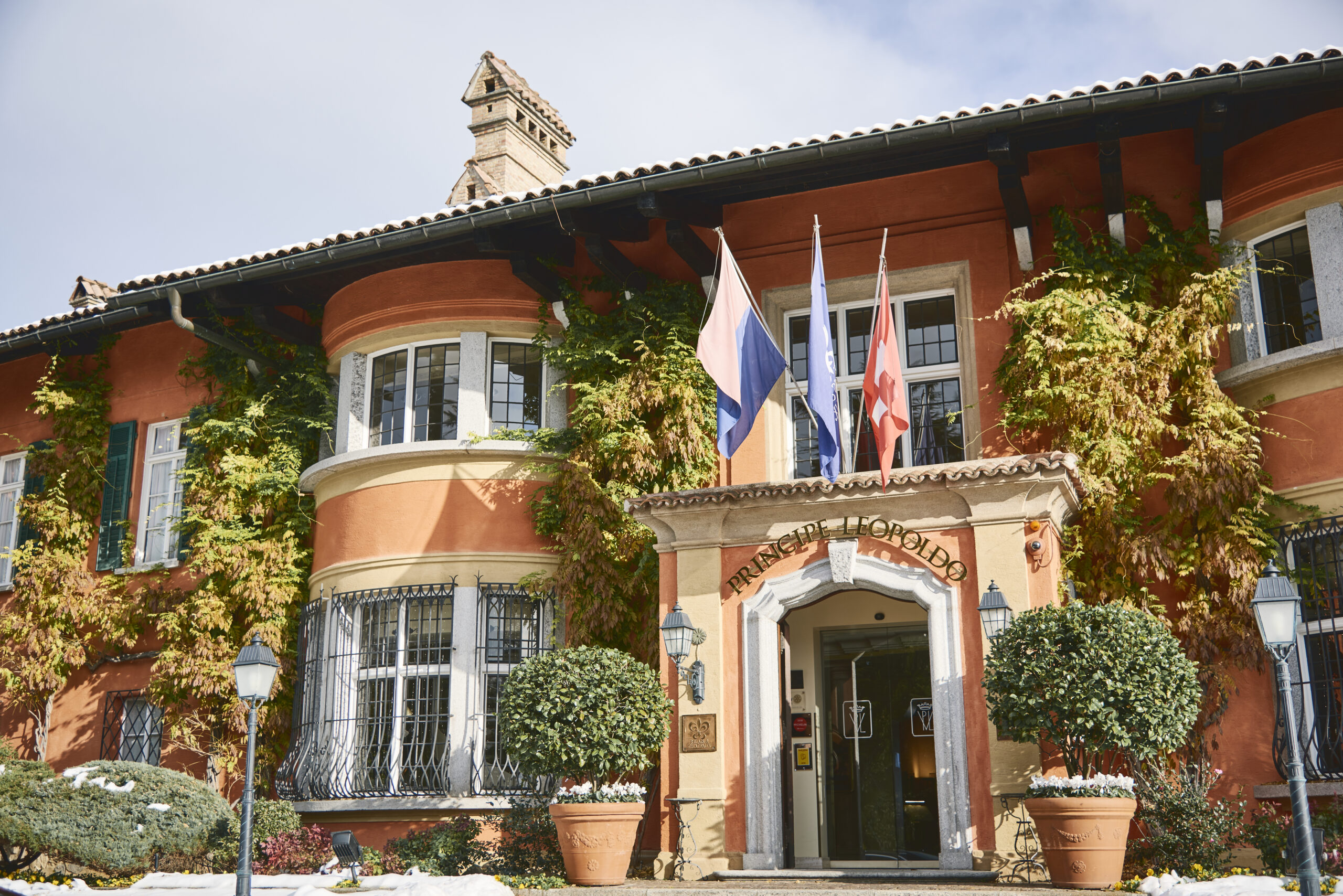
Hotel Villa Principe Leopoldo

GTS: What will you be offering on your spring menu when restaurants re-open soon?   

CM: We will have some exclusive à la carte options with the arrival of new products such as Ora King salmon and Swiss Luma pork.  

GTS: You have prepared a recipe for the readers of the Grandes Tables Suisses. Can you tell us more about it?  

CM: I thought of this recipe (Veal fillet in bread crust with girolle mushrooms and artichokes) because it is the result of several culinary experiments and has received excellent feedback from our customers. The textures and different flavours of the ingredients make this dish really tasty, and I’m sure readers will enjoy it!  

Discover Cristian Moreschi’s recipe below:


Ticino-style veal fillet in bread crust with artichokes and girolle mushrooms  

Stuffing

  • 100g lean veal meat
  • 80g crème fraîche
  • 4 basil leaves

Thinly slice the veal using a knife, add the crème fraîche followed by the chopped and blanched basil.

Bread crust

  • 1 slice of soft bread (without crust)
  • 150g veal filet mignon, pre-rolled in cling film

Flatten the bread slightly using a rolling pin. Fill with stuffing up to 3/4 and roll up the fillet in the middle using cling film. Bake in the oven until the internal temperature reaches 50°C. Leave to rest, then fry and finish cooking in oil, turning it over to make the crust crunchy on the outside.  

Pour the cooking liquid over it and garnish with girolle mushrooms, vegetables and a few slices of artichoke before serving. Finally, dress the plate with a few leaves of garnish.  


Discover all the information about the Villa Principe Leopoldo Hotel’s restaurant on their website: https://leopoldohotel.com